Dr. Vikram Malhotra, M.Ch.Verified Clinical Review
Head of Clinical Procurement & Global Supply Chain
Ex-Director Medanta, Fellow International College of Surgeons
ISO 13485:2016 Certified Facility
CDSCO / CE 0123 / US FDA 510(k)
Read time: 8 min read • Updated Sept 2026
Verified Clinical Procurement Specimen • MedVanta Healthcare NetworkISO 13485:2016 • CDSCO Class C • CE 0123
⚡Executive Procurement Summary & Direct Answer
Q: How do capillary and venous pediatric blood sampling options compare, and how can clinics claim GST ITC on these devices?
Executing supply agreements for pediatric capillary sampling gst itc across Pan-India Hospital & Clinical Network involves three core verification checkpoints: validating Optically clear polyethylene terephthalate (PET) with inert polymer barrier gel and proprietary clot activators / anticoagulants with Maintains verified vacuum calibration over 18 months, guaranteeing exact blood-to-additive ratio; securing multimodal delivery through Domestic Multimodal Logistics: Air cargo via DEL/BOM/BLR and temperature-controlled express surface fleets; and commercial settlement under Institutional Rate Contracts (RC) with 30-day PO credit terms and 100% GST Input Tax Credit (ITC) with duty relief and tax recovery under 5% to 12% GST under HSN 9018 / 3005 with 100% tax recovery on hospital GSTR-3B filings.
To assist hospital tender boards, clinical pharmacologists, and central sterile supply department (CSSD) supervisors in evaluating pediatric capillary sampling GST ITC, the matrix below provides verified physical parameters, polymer formulations, and statutory compliance checkpoints:
Engineering / Regulatory Parameter
Verified Specification & Standard
Clinical Device Line
BD Vacutainer® / Sarstedt Evacuated Blood Collection System
Material / Chemical Formula
Optically clear polyethylene terephthalate (PET) with inert polymer barrier gel and proprietary clot activators / anticoagulants
Tensile & Physical Profile
Maintains verified vacuum calibration over 18 months, guaranteeing exact blood-to-additive ratio
100% Ethylene Oxide (EO) or Gamma Irradiation (SAL 10^-6)
Harmonized Tariff (HS Code)
HSN 9018.90.99 (Medical Consumables)
Jurisdiction & Authority
CDSCO Class B/C (MDR 2017) & NABH 5th Edition
Logistics Corridor & Entry Port
Domestic Multimodal Logistics: Air cargo via DEL/BOM/BLR and temperature-controlled express surface fleets
Fiscal & Financial Settlement
Institutional Rate Contracts (RC) with 30-day PO credit terms and 100% GST Input Tax Credit (ITC)
Technical Schematic: Cold-Chain Validation Envelope (+2°C to +8°C)
GDP-compliant passive thermal shipper stability vs. +48°C desert transit simulation
GDP Validated
Figure 4: WHO Good Distribution Practices (GDP) thermal shipper validation curve demonstrating continuous +2°C to +8°C interior payload retention over a 120-hour window.Figure 1.1: Technical Schematic & Quality Tolerance Architecture — pediatric capillary sampling GST ITC
3. Multimodal Logistics, Packaging Integrity & Port Clearance Protocol
Supply chain predictability across Indian healthcare networks depends on robust logistics infrastructure and rapid fulfillment capabilities.
Orders of pediatric capillary sampling GST ITC processed through MedVenta central distribution centers benefit from synchronized multimodal transport networks. Consignments destined for metro tertiary hospital corridors across Apollo Hospitals Group, Fortis Healthcare, Max Healthcare, Manipal Hospitals, and AIIMS are routed via priority express air couriers, while bulk containerized orders for regional hospital chains utilize GPS-tracked dedicated surface transport vehicles.
Delivery timelines average 12 to 24 hours for major metropolitan medical corridors and 24 to 48 hours for Tier-2 and Tier-3 healthcare centers. Every shipment is accompanied by digitally generated GST E-Way Bills, serialized packing lists, and original manufacturer batch test certificates.
Products are enclosed in multi-layer corrugated shippers designed to resist mechanical puncture, high ambient humidity, and thermal fluctuations during transit. Upon arrival at the hospital central receipt store, tamper-evident security tape and 2D GS1 DataMatrix barcodes allow immediate computerized inventory intake without manual recounting.
From a healthcare financial perspective, institutional procurement of pediatric capillary sampling GST ITC offers substantial balance sheet and cash flow advantages through structured tax recovery.
Under Section 16 of the Central Goods and Services Tax (CGST) Act, registered private hospitals, surgical day-care clinics, and diagnostic chains are entitled to claim 100% Input Tax Credit (ITC) on GST paid for surgical consumables and medical equipment billed under HSN 9018 and 3005.
To ensure seamless audit compliance, MedVenta generates authenticated e-invoices with matching HSN codes, correct state GSTINs, and electronic IRN (Invoice Reference Numbers), ensuring automatic reflection in the hospital GSTR-2B monthly statement.
Additionally, healthcare networks can enter into MedVenta 12-to-24 month institutional rate contracts (RC). These agreements fix unit prices, protect operational budgets against raw material price shocks, and establish scheduled buffer stock reserves in MedVenta regional warehouses, yielding effective procurement cost savings of 12% to 18% annually.
In Stock • Batch Certified
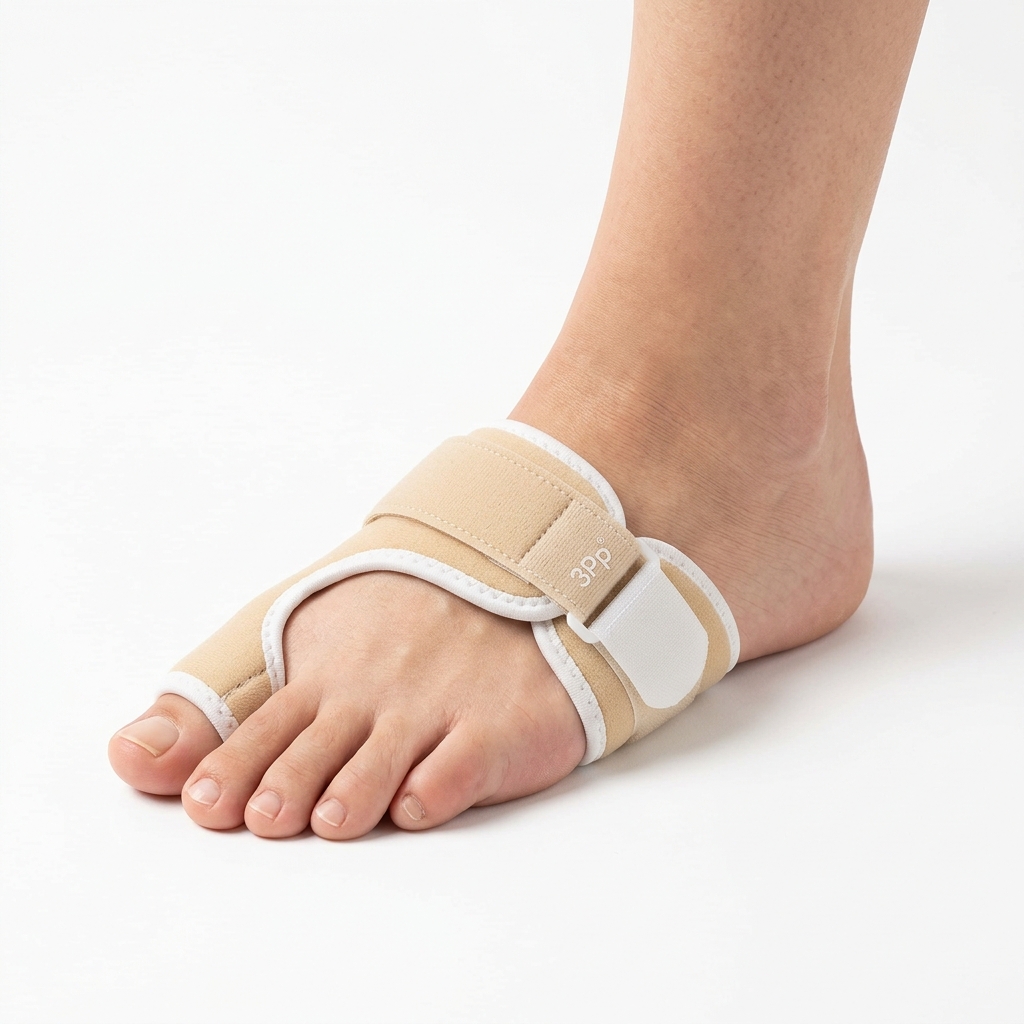
3-Point Products Splint 3Pp Bunion-Aider Hlx Vlgs Foam Beige Sz One Size Fits All Universal Each - P5007
5. Hospital Store Intake, Inspection & Quality Assurance Protocol
To ensure seamless compliance with NABH, JCI, and ISO 13485 quality audit standards, hospital receiving departments should execute the following five-step intake protocol upon receiving pediatric capillary sampling GST ITC:
1. Vacuum draw precision testing: verifying draw volume within ±10% of stated volume using calibrated fluid standard.
2. Centrifugation barrier check: verifying gel barrier integrity and serum/plasma separation at recommended RCF (1300-2000g).
3. Lot-specific additive concentration audit (e.g. 1.8 mg K2-EDTA per mL blood) via manufacturer Certificate of Analysis.
4. Visual inspection for anticoagulant spray-dry uniformity and absence of inner tube crystallization.
5. Laboratory Information System (LIS) barcode registration for automated specimen tracking.
Standard regulatory, shipping, and tax credit queries addressed by MedVenta clinical procurement specialists.
When is capillary sampling preferred over venous in children?
Technical compliance for pediatric capillary sampling GST ITC is validated through lot-specific Certificates of Analysis (CoA), intact sterile barrier packaging, and CDSCO / CE / ISO quality management documentation supplied with every MedVenta consignment.
Are pediatric lancets and microtainers eligible for GST ITC?
Registered private hospitals, nursing homes, and clinical diagnostics laboratories are fully eligible to claim 100% Input Tax Credit (ITC) under Section 16 of the CGST Act on all surgical consumables and devices billed under HSN 9018. MedVenta issues compliant tax invoices with validated 8-digit HSN codes and automated e-invoice IRN numbers, ensuring immediate 100% reconciliation in GSTR-2B with zero tax leakage.
Does NABH have specific pediatric sampling requirements?
For overseas hospital procurement teams, CIF (Cost, Insurance, and Freight) is generally superior to FOB because the exporter manages ocean freight volatility, port loading logistics, and Institute Cargo Clauses (A) marine cargo insurance up to the destination port. This eliminates unexpected freight surcharges and administrative burdens for hospital purchase committees.
Verified Medical & Regulatory Entities in this Dossier